What to pack for Iqaluit in the winter
Packing list tips
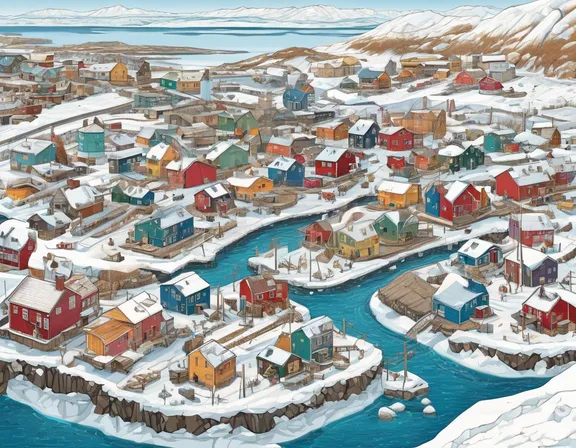
Iqaluit, located in the Canadian territory of Nunavut, experiences extremely cold winters with temperatures often dropping well below freezing.
When preparing for a winter visit to Iqaluit, it is important to bring warm and insulated clothing to stay comfortable in the harsh weather conditions. Wool or thermal base layers are essential to keep your body warm and retain heat.
Additionally, a heavy-duty winter coat with down or synthetic insulation, as well as a windproof and waterproof shell, will be necessary to protect against the frigid temperatures and strong winds in Iqaluit. Insulated gloves or mittens, a hat that covers the ears, and a scarf or neck warmer are important accessories to prevent frostbite and keep extremities warm. Insulated and waterproof boots with good traction will help you navigate the snow and ice-covered streets of Iqaluit without slipping or getting cold feet.
Overall, it is crucial to prioritize warmth, protection, and functionality when selecting clothing for a winter trip to Iqaluit.
Climate for Iqaluit in the winter
In the winter, Iqaluit, the capital of Nunavut, experiences extremely cold and harsh conditions with temperatures often dropping below -30 degrees Celsius.
Strong winds and frequent snowfall create blizzard-like conditions, reducing visibility and making travel difficult. The city is also impacted by long periods of darkness, with only a few hours of sunlight each day.
Residents must bundle up in layers of warm clothing and take precautions to stay safe in the icy conditions.
Temperature Range in Iqaluit, Nunavut, Canada
Last winter - December, January, February